A small room is not a limitation — it is a design challenge with proven solutions. The right choices in color, furniture, and layout can make even the tightest space feel open, airy, and intentional. Here are 10 principles that interior designers use to make small rooms feel bigger, plus the styles that work best in compact spaces.
1. Light Colors Expand Space
Light colors reflect more light and make walls feel like they are receding. White, off-white, pale gray, and soft beige are the foundation of almost every small-room success story. This does not mean everything has to be white — it means the dominant surfaces (walls, ceiling, large furniture) should be light, with darker tones reserved for accents.
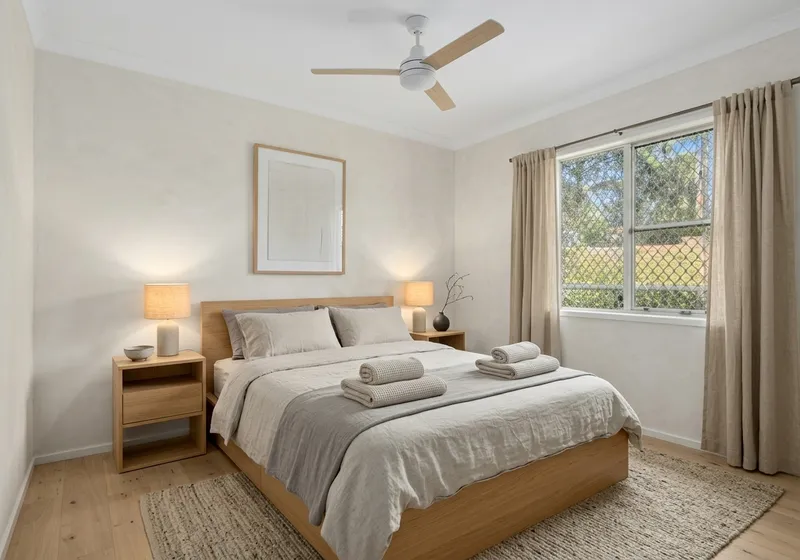
Scandinavian style is built on this principle — light walls, pale wood, and white textiles create rooms that feel spacious regardless of actual square footage.
2. Mirrors Create Depth
A well-placed mirror doubles the visual depth of a room. The key is positioning: place mirrors where they reflect a window, a light source, or the longest view in the room. A large floor-to-ceiling mirror on one wall can make a small bedroom feel twice its size. Avoid placing mirrors where they reflect clutter — that doubles the visual noise too.
3. Multi-Functional Furniture
In small rooms, every piece of furniture should earn its keep — ideally by doing two jobs. A storage ottoman serves as seating, a coffee table, and hidden storage. A wall-mounted desk folds flat when not in use. A daybed works as a sofa by day and a bed at night. The Japandi style excels here — its philosophy of purposeful minimalism means every piece is chosen for function and beauty.
4. Vertical Storage
When floor space is limited, build up. Floating shelves, tall bookcases, wall-mounted cabinets, and over-door organizers use vertical space that would otherwise go to waste. Drawing the eye upward also makes ceilings feel higher. A single floor-to-ceiling bookcase stores more than three short pieces of furniture while taking up less floor space.
5. Furniture with Legs
Furniture that sits on visible legs lets you see the floor underneath, which makes the room feel more open. Compare a sofa on tapered legs (you can see under it) versus a sofa with a full skirt (it looks like a solid block). This applies to beds, tables, dressers, and seating. Mid-century modern furniture was practically designed for small spaces — those signature tapered legs keep everything feeling light and airy.
6. Scaled Furniture
Oversized furniture makes a small room feel smaller. Choose pieces proportional to the space. A loveseat instead of a full sofa. A bistro table instead of a dining table for six. A twin or full bed instead of a king. The room should have clear pathways and breathing room between furniture — crowded furniture makes the walls feel like they are closing in.
7. One Statement Piece
Counterintuitively, one bold piece can make a small room feel bigger by giving it a clear focal point. A single large piece of art on one wall, a dramatic light fixture, or one accent chair in a bold color anchors the room and draws the eye. Multiple small decorations scattered everywhere create visual clutter that shrinks the space. Pick one, commit to it, and let the rest be simple.
8. Consistent Flooring
Using the same flooring material throughout a small space (or throughout adjacent rooms visible from the small space) creates visual continuity that makes the area feel larger. Rugs can define zones, but keep them proportional — a rug that is too small for the room makes the room look fragmented. One large rug that nearly fills the floor is better than multiple small rugs.
9. Curtains Hung High and Wide
Hanging curtains close to the ceiling (not at the window frame) and extending them wider than the window makes both the windows and the walls appear larger. Floor-length curtains in a light, flowing fabric like linen add height without weight. This simple trick is one of the most cost-effective ways to transform a small room.
10. Declutter Ruthlessly
No design principle compensates for too much stuff. In a small room, every visible item takes up visual bandwidth. The Minimalist approach works powerfully in tight spaces — keep surfaces clear, store what you can behind closed doors, and only display things you genuinely love. A small room with 10 well-chosen items feels bigger than a large room with 100 random ones.
Best Design Styles for Small Rooms
Some styles naturally suit small spaces better than others. Here are the top picks:




Scandinavian
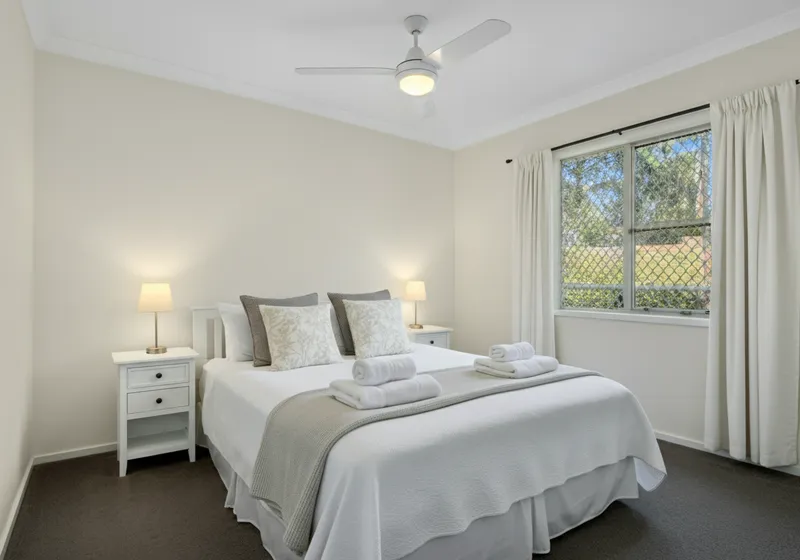
Light colors, functional furniture, and minimal clutter — Scandinavian design was born for small Nordic apartments. The emphasis on light and air makes even the smallest room feel welcoming. See Scandinavian rooms →
Minimalist
By definition, minimalism eliminates excess. In a small room, this philosophy creates breathing room that makes the space feel deliberate rather than cramped. See Minimalist rooms →
Japandi
Japandi combines Japanese spatial awareness with Scandinavian warmth. The emphasis on purposeful objects and natural materials works beautifully in compact spaces. See Japandi rooms →
Modern
Clean lines and open sight lines define modern design. The lack of ornamental detail means less visual clutter, and the neutral palette keeps walls feeling far away. See Modern rooms →
Coastal
The light, airy palette of coastal design — whites, blues, and natural textures — creates a sense of openness that small rooms need. The relaxed, uncluttered aesthetic keeps things simple. See Coastal rooms →
See It on Your Own Room
Reading about design principles is one thing. Seeing them applied to your actual room is another. Upload a photo of your small room and try any of these styles instantly — RoomWren preserves your room's exact layout while transforming the furniture, colors, and decor. It is the fastest way to find what works in your space.
Working from home? Our home office design ideas apply many of these space-saving principles to workspaces. And for the ultimate utility room upgrade, see our laundry room ideas.
Selling a compact property? These same principles apply to virtual staging — show buyers how a small room can feel spacious with the right style.
Related Articles
Small Bedroom Ideas: 12 Design Styles That Make Any Room Feel Bigger
How to Photograph Your Room for the Best AI Redesign
Home Office Design Ideas: 8 Styles That Actually Help You Focus
Living Room Layout Ideas: Arrange Any Space Like a Designer
Laundry Room Ideas: Turn the Most Boring Room Into Your Favorite
Explore These Styles
Get Design Tips in Your Inbox
Join our newsletter for interior design inspiration, staging tips, and early access to new features.
No spam. Unsubscribe anytime.